
The effects of light on plant growth and development are mainly reflected in three aspects: light intensity, illumination time (photoperiod) and light composition (light quality).
Light intensity has a great impact on plants, and all green plants must be in the sun for photosynthesis. The increase in plant weight is closely related to the light intensity. The various organs and tissues in plants maintain a normal proportion of development and are also directly associated with a certain light intensity. Light also has a great influence on the development of plants. To plant more flowers, more fruit, first of all to spend more buds, and the number of flower buds is directly related to light intensity. Illuminance is an important source of energy for crops for organic matter synthesis and yield formation. Illuminance provides raw materials for crop photosynthesis, and crops produce organic matter through photosynthesis, providing energy for crop growth and storage. Most of the crops that we are exposed to are positive plants, such as wheat, corn, peanuts, soybeans, and various vegetables. During the growth process, sunlight can promote the water circulation in the growing environment, so that the nutrients in the soil are adequately covered by the crops. Absorption, while sunshine in the flowering period of flowering (flowering time) can effectively promote the flowering rate of crops, so these factors indicate that reasonable control of sunlight illumination during crop growth can often increase crop yield.
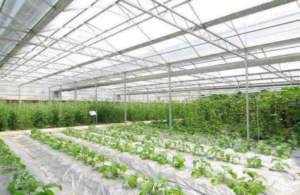
Illumination intensity parameters:
A unit of illumination is about the brightness of a candle at a distance of 1 metre.
The intensity of sunrise and sunset illumination is about 300-400 Lux.
Night: 0.3-0.03 Lux (bright moonlight); 0.003-0.007 Lux (dark night);
In summer, the illumination under bright sunshine is about 100,000 Lux (3-300,000 Lux).
The illumination intensity in cloudy day is about 10,000 Lux.
Indoor daylight intensity is about 30-50 Lux.
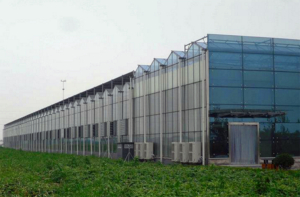
GLOREEN Smart Growing Climate Control System’s Illumination sensor installation precautions:
*Check that the packaging is intact and check the product;
*Pay attention to the safety problem, do not electrify the wiring, and the power can be turned on after the wiring is checked.
GLOREEN Smart Growing Climate Control system’s Illumination sensor usage precautions:
*Keep it clean and clean. If there are stains on it, it is easy to affect the measurement accuracy of the sensor.
*The length of the illuminance sensor will affect the output signal of the product. Do not change it when using it. The illuminance sensor is a precision device. Do not disassemble it when using it. Touch the sensor surface with sharp objects or corrosive liquid to avoid damage to the product. Personnel are prohibited from touching the sensor device to prevent damage to the sensor device due to unskillful operation.
*A desiccant is placed near the illuminance sensor to prevent condensation from condensing inside the sensor, resulting in a decrease in the measurement accuracy of the sensor or a short circuit in the internal chip.
The role of Light Detection function in greenhouse
There are many sensors used in modern intelligent greenhouse planting, among which the illumination sensor is an important one. The illumination sensor measures the intensity of illumination. The intensity of illumination will affect the photosynthesis of crops, and then affect the yield of crops. In the intelligent greenhouse planting, the illumination sensor can detect the information of illumination intensity in the process of crop growth. The measured data are displayed on the Touch Screen Wire Controller of GLOREEN Smart Growing Climate Control System. At the same time, it can also be transmitted to the centralized control center through Internet of Things technology. Technicians can determine whether to increase or decrease the illumination intensity to achieve the illumination intensity. The optimum growth allocation of crops can increase the rate of photosynthesis and the yield of crops.


